



In-Person Interview Preparation Guide
In-person interviews are typically one of the final steps in the hiring process and often involve meeting with multiple team members or participating in technical exercises.
This comprehensive guide to in-person interviews provides all the info you need to ensure you’re ready to ace your next in-person interview.
Speak to your Benchmark IT recruiter about the format of the on-site interview, including the number of interviews, types of interviews (technical, behavioral, etc.), and any practical exercises you might be asked to complete.
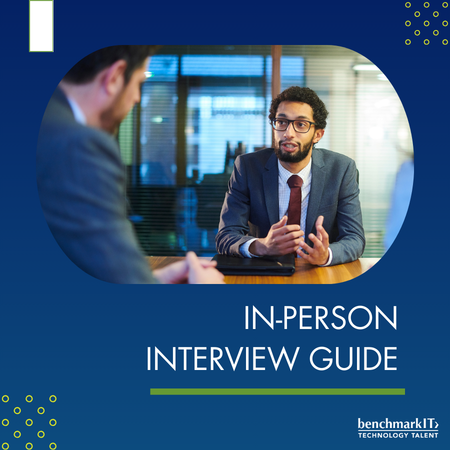
In-Person Interview Preparation Guide
In-person interviews are typically one of the final steps in the hiring process and often involve meeting with multiple team members or participating in technical exercises.
This comprehensive guide to in-person interviews provides all the info you need to ensure you’re ready to ace your next in-person interview.
Speak to your Benchmark IT recruiter about the format of the on-site interview, including the number of interviews, types of interviews (technical, behavioral, etc.), and any practical exercises you might be asked to complete.
- Key Stakeholder Prep Call: Make sure to connect with your Benchmark IT account executive a day or so before the interview. They’ll give you a full briefing on the company, the role, internal culture and dynamics, and profiles of the people you’ll meet. Take notes during this call and review them prior to your meetings.
- Research the Company: Learn about the company’s mission and company culture. Check out their website, LinkedIn and social media profiles, along with their key executives and those you’ll be interviewing with. Familiarize yourself with any recent news and developments related to the industry, company, or the technologies you’ll be using. This will be helpful in framing questions during the interview and in pre- and post-interview conversations.
- Review JobDescription:Revisit the job description and requirements. Be prepared to draw some parallels between your experience and the job requirements. Have some examples ready about how you may have implemented a specific technology or performed a required duty.
Getting There
- Know the location: A few days before the interview, confirm the interview location and figure out the best route to get there. If it’s your first time visiting the office, it’s a good idea to do a practice run or look up directions via Google Maps or your preferred navigation app. When looking up directions on Google Maps, please be sure to select the specific time of day you plan to commute. This will provide a more accurate estimate, as travel times can vary significantly during peak rush hours in the early morning and late afternoon.


- Plan for extra time: Aim to arrive at least 15 minutes early to the building. Account for traffic, parking, public transportation delays, or potential issues that could slow you down. Arriving early will allow you to compose yourself before the interview begins.
- Know the building logistics: If the office is in a large building or complex, find out if there are specific security procedures, reception check-ins, or parking instructions you need to follow. Plan ahead for these so you aren’t stressed on the day of the interview.
Dress Professionally
- Research the company dress code: If possible, find out what the general dress code is at the company. You can often get a sense of this by looking at the company’s website, social media profiles, or LinkedIn employee photos. If you’re unsure, it’s always safer to dress more formally.
- Business attire is usually a safe bet: Opt for professional clothing like a tailored suit, dress shirt, blouse, dress slacks, or knee-length skirt. Ensure your clothes are clean, ironed, and well-fitting.
- Keep accessories minimal and polished: Avoid wearing excessive jewelry or accessories that could be distracting. Stick to neutral or subtle colors and avoid busy patterns or overly bright attire.
- Business attire is usually a safe bet: Opt for professional clothing like a tailored suit, dress shirt, blouse, dress slacks, or knee-length skirt. Ensure your clothes are clean, ironed, and well-fitting.
- Keep accessories minimal and polished: Avoid wearing excessive jewelry or accessories that could be distracting. Stick to neutral or subtle colors and avoid busy patterns or overly bright attire.

- Key Stakeholder Prep Call: Make sure to connect with your Benchmark IT account executive a day or so before the interview. They’ll give you a full briefing on the company, the role, internal culture and dynamics, and profiles of the people you’ll meet. Take notes during this call and review them prior to your meetings.
- Research the Company: Learn about the company’s mission and company culture. Check out their website, LinkedIn and social media profiles, along with their key executives and those you’ll be interviewing with. Familiarize yourself with any recent news and developments related to the industry, company, or the technologies you’ll be using. This will be helpful in framing questions during the interview and in pre- and post-interview conversations.
- Review JobDescription:Revisit the job description and requirements. Be prepared to draw some parallels between your experience and the job requirements. Have some examples ready about how you may have implemented a specific technology or performed a required duty.
Getting There
- Know the location: A few days before the interview, confirm the interview location and figure out the best route to get there. If it’s your first time visiting the office, it’s a good idea to do a practice run or look up directions via Google Maps or your preferred navigation app. When looking up directions on Google Maps, please be sure to select the specific time of day you plan to commute. This will provide a more accurate estimate, as travel times can vary significantly during peak rush hours in the early morning and late afternoon.
- Plan for extra time: Aim to arrive at least 15 minutes early to the building. Account for traffic, parking, public transportation delays, or potential issues that could slow you down. Arriving early will allow you to compose yourself before the interview begins.
- Know the building logistics: If the office is in a large building or complex, find out if there are specific security procedures, reception check-ins, or parking instructions you need to follow. Plan ahead for these so you aren’t stressed on the day of the interview.
Dress Professionally
- Research the company dress code: If possible, find out what the general dress code is at the company. You can often get a sense of this by looking at the company’s website, social media profiles, or LinkedIn employee photos. If you’re unsure, it’s always safer to dress more formally.
- Business attire is usually a safe bet: Opt for professional clothing like a tailored suit, dress shirt, blouse, dress slacks, or knee-length skirt. Ensure your clothes are clean, ironed, and well-fitting.
- Keep accessories minimal and polished: Avoid wearing excessive jewelry or accessories that could be distracting. Stick to neutral or subtle colors and avoid busy patterns or overly bright attire.

- Key Stakeholder Prep Call: Make sure to connect with your Benchmark IT account executive a day or so before the interview. They’ll give you a full briefing on the company, the role, internal culture and dynamics, and profiles of the people you’ll meet. Take notes during this call and review them prior to your meetings.

- Research the Company: Learn about the company’s mission and company culture. Check out their website, LinkedIn and social media profiles, along with their key executives and those you’ll be interviewing with. Familiarize yourself with any recent news and developments related to the industry, company, or the technologies you’ll be using. This will be helpful in framing questions during the interview and in pre- and post-interview conversations.
- Review JobDescription:Revisit the job description and requirements. Be prepared to draw some parallels between your experience and the job requirements. Have some examples ready about how you may have implemented a specific technology or performed a required duty.
Getting There
- Know the location: A few days before the interview, confirm the interview location and figure out the best route to get there. If it’s your first time visiting the office, it’s a good idea to do a practice run or look up directions via Google Maps or your preferred navigation app. When looking up directions on Google Maps, please be sure to select the specific time of day you plan to commute. This will provide a more accurate estimate, as travel times can vary significantly during peak rush hours in the early morning and late afternoon.

- Plan for extra time: Aim to arrive at least 15 minutes early to the building. Account for traffic, parking, public transportation delays, or potential issues that could slow you down. Arriving early will allow you to compose yourself before the interview begins.
- Know the building logistics: If the office is in a large building or complex, find out if there are specific security procedures, reception check-ins, or parking instructions you need to follow. Plan ahead for these so you aren’t stressed on the day of the interview.
Dress Professionally
- Research the company dress code: If possible, find out what the general dress code is at the company. You can often get a sense of this by looking at the company’s website, social media profiles, or LinkedIn employee photos. If you’re unsure, it’s always safer to dress more formally.
- Business attire is usually a safe bet: Opt for professional clothing like a tailored suit, dress shirt, blouse, dress slacks, or knee-length skirt. Ensure your clothes are clean, ironed, and well-fitting.
- Keep accessories minimal and polished: Avoid wearing excessive jewelry or accessories that could be distracting. Stick to neutral or subtle colors and avoid busy patterns or overly bright attire.
Before your interview, take the time to review your current resume and portfolio, focusing on your past roles and work experiences. Reflect on your key skills, achievements, and projects, especially those that align with the job requirements.
During technical interviews, you’ll need to discuss your skills in depth, so be ready to explain not just what you did, but how you did it, the challenges you encountered, and the impact your work had on previous projects or companies. Make sure you can articulate your proficiency in the technical tools, languages, and methodologies listed on your resume.
It’s equally important to familiarize yourself with how your experiences demonstrate your problem-solving abilities, adaptability, and technical knowledge. Practicing this self-assessment will allow you to confidently answer questions about your technical background, showcase your strengths, and demonstrate that you’re the right fit for the role. Additionally, consider updating your portfolio to include relevant examples, code snippets, or project summaries to provide concrete evidence of your expertise.

Before your interview, take the time to review your current resume and portfolio, focusing on your past roles and work experiences. Reflect on your key skills, achievements, and projects, especially those that align with the job requirements.
During technical interviews, you’ll need to discuss your skills in depth, so be ready to explain not just what you did, but how you did it, the challenges you encountered, and the impact your work had on previous projects or companies. Make sure you can articulate your proficiency in the technical tools, languages, and methodologies listed on your resume.
It’s equally important to familiarize yourself with how your experiences demonstrate your problem-solving abilities, adaptability, and technical knowledge. Practicing this self-assessment will allow you to confidently answer questions about your technical background, showcase your strengths, and demonstrate that you’re the right fit for the role. Additionally, consider updating your portfolio to include relevant examples, code snippets, or project summaries to provide concrete evidence of your expertise.

Before your interview, take the time to review your current resume and portfolio, focusing on your past roles and work experiences. Reflect on your key skills, achievements, and projects, especially those that align with the job requirements.
During technical interviews, you’ll need to discuss your skills in depth, so be ready to explain not just what you did, but how you did it, the challenges you encountered, and the impact your work had on previous projects or companies.
Make sure you can articulate your proficiency in the technical tools, languages, and methodologies listed on your resume.
It’s equally important to familiarize yourself with how your experiences demonstrate your problem-solving abilities, adaptability, and technical knowledge. Practicing this self-assessment will allow you to confidently answer questions about your technical background, showcase your strengths, and demonstrate that you’re the right fit for the role. Additionally, consider updating your portfolio to include relevant examples, code snippets, or project summaries to provide concrete evidence of your expertise.
Behavioral interviews focus on how you have handled specific situations in the past as an indicator of how you might act in similar situations in the future. Employers ask behavioral questions to assess key competencies such as problem-solving, teamwork, adaptability, and communication skills. The goal is to understand your behavior in real-world scenarios and how it aligns with the company’s values and job requirements.
The STAR Method:
The STAR method is a structured approach to answer behavioral interview questions by breaking responses into four parts:
- Situation: Describe the context or background of a specific situation youencountered.
- Task: Explain the task or challenge you faced in that situation.
- Action: Detail the actions you took to address the situation or complete the task.
- Result: Share the outcomes of your actions, emphasizing any successes or what you learned.
Using the STAR method helps you provide clear, concise, and focused responses that highlight your skills and experiences.

Behavioral interviews focus on how you have handled specific situations in the past as an indicator of how you might act in similar situations in the future. Employers ask behavioral questions to assess key competencies such as problem-solving, teamwork, adaptability, and communication skills. The goal is to understand your behavior in real-world scenarios and how it aligns with the company’s values and job requirements.
The STAR Method:
The STAR method is a structured approach to answer behavioral interview questions by breaking responses into four parts:
- Situation: Describe the context or background of a specific situation youencountered.
- Task: Explain the task or challenge you faced in that situation.
- Action: Detail the actions you took to address the situation or complete the task.
- Result: Share the outcomes of your actions, emphasizing any successes or what you learned.
Using the STAR method helps you provide clear, concise, and focused responses that highlight your skills and experiences.

Behavioral interviews focus on how you have handled specific situations in the past as an indicator of how you might act in similar situations in the future. Employers ask behavioral questions to assess key competencies such as problem-solving, teamwork, adaptability, and communication skills. The goal is to understand your behavior in real-world scenarios and how it aligns with the company’s values and job requirements.
The STAR Method:
The STAR method is a structured approach to answer behavioral interview questions by breaking responses into four parts:
- Situation: Describe the context or background of a specific situation youencountered.
- Task: Explain the task or challenge you faced in that situation.
- Action: Detail the actions you took to address the situation or complete the task.
- Result: Share the outcomes of your actions, emphasizing any successes or what you learned.
Using the STAR method helps you provide clear, concise, and focused responses that highlight your skills and experiences.
Behavioral interviews focus on how you have handled specific situations in the past as an indicator of how you might act in similar situations in the future. Employers ask behavioral questions to assess key competencies such as problem-solving, teamwork, adaptability, and communication skills. The goal is to understand your behavior in real-world scenarios and how it aligns with the company’s values and job requirements.
The STAR Method:
The STAR method is a structured approach to answer behavioral interview questions by breaking responses into four parts:
- Situation: Describe the context or background of a specific situation youencountered.
- Task: Explain the task or challenge you faced in that situation.
- Action: Detail the actions you took to address the situation or complete the task.
- Result: Share the outcomes of your actions, emphasizing any successes or what you learned.
Using the STAR method helps you provide clear, concise, and focused responses that highlight your skills and experiences.

Example Question: Tell me about a time when you had to resolve a conflict within a team.
STAR Method Answer:
Situation: “In my previous role as a project lead, two team members disagreed over the best approach to complete a project.”
Task: “As the project lead, it was my responsibility to mediate the conflict and ensure the project stayed on track.”
Action: “I scheduled a meeting with both team members, allowed each of them to voice their opinions, and facilitated a discussion where we found a compromise that combined the strengths of both ideas.”
Result: “The project was completed on time, and the compromise led to a 10% efficiency improvement compared to our original approach.”
Problem-Solving Questions:
These questions assess your ability to think critically and solve complex issues under pressure.
Example Question: Tell me about a time when you had to solve a major problem under tight deadlines.
STAR Method Answer:
Situation: “During a product launch at my previous company, we discovered a critical bug in the software just two days before the release.”
Task: “I was tasked with identifying the issue and providing a fix as quickly as possible.”
Action: “I coordinated with the development team, isolated the bug, and worked overnight to create a patch.”
Result: “The bug was resolved within 24 hours, and the product launched on time with no further issues.”
Example Question: Tell me about a time when you had to adapt to significant changes at work.
STAR Method Answer:
Situation: “At my previous company, we had to pivot to remote work overnight due to the pandemic.”
Task: “As a team leader, I needed to quickly adjust to remote project management and ensure my team remained productive.”
Action: “I implemented daily check-ins, adopted new collaborative tools like Slack and Asana, and provided additional training to team members unfamiliar with remote tools.”
Result: “Our productivity didn’t drop, and we even completed two major projects ahead of schedule.”
Technical interviews are an essential part of the hiring process for IT and engineering roles. They are designed to assess your technical skills, problem-solving abilities, and thought process. During a technical interview, you’ll be asked a variety of technical questions that may include coding challenges, algorithm problems, system design questions, or scenarios requiring knowledge of specific technologies. Examples of technical questions include:
- “How would you implement a linked list?” or
- “Can you explain the difference between REST and GraphQL?”
It’s crucial to approach these questions methodically: start by clarifying the problem, discuss your thought process out loud, and demonstrate your problem-solving skills.
For instance, if asked to write a function that finds the largest number in an array, start by explaining how you would loop through the array, compare each element, and track the largest value. If appropriate, discuss different approaches, such as using built-in functions for simplicity or implementing an optimized solution for larger datasets.
Additionally, always relate your answers to real-world experiences; for example, “In a recent project, I used a similar algorithm to optimize data retrieval times.” This not only showcases your technical expertise but also highlights your communication skills, adaptability, and ability to app


Technical interviews are an essential part of the hiring process for IT and engineering roles. They are designed to assess your technical skills, problem-solving abilities, and thought process. During a technical interview, you’ll be asked a variety of technical questions that may include coding challenges, algorithm problems, system design questions, or scenarios requiring knowledge of specific technologies. Examples of technical questions include:
- “How would you implement a linked list?” or
- “Can you explain the difference between REST and GraphQL?”
It’s crucial to approach these questions methodically: start by clarifying the problem, discuss your thought process out loud, and demonstrate your problem-solving skills.
For instance, if asked to write a function that finds the largest number in an array, start by explaining how you would loop through the array, compare each element, and track the largest value. If appropriate, discuss different approaches, such as using built-in functions for simplicity or implementing an optimized solution for larger datasets.
Additionally, always relate your answers to real-world experiences; for example, “In a recent project, I used a similar algorithm to optimize data retrieval times.” This not only showcases your technical expertise but also highlights your communication skills, adaptability, and ability to app
Technical interviews are an essential part of the hiring process for IT and engineering roles. They are designed to assess your technical skills, problem-solving abilities, and thought process. During a technical interview, you’ll be asked a variety of technical questions that may include coding challenges, algorithm problems, system design questions, or scenarios requiring knowledge of specific technologies. Examples of technical questions include:
- “How would you implement a linked list?” or
- “Can you explain the difference between REST and GraphQL?”


It’s crucial to approach these questions methodically: start by clarifying the problem, discuss your thought process out loud, and demonstrate your problem-solving skills.
For instance, if asked to write a function that finds the largest number in an array, start by explaining how you would loop through the array, compare each element, and track the largest value. If appropriate, discuss different approaches, such as using built-in functions for simplicity or implementing an optimized solution for larger datasets.
Additionally, always relate your answers to real-world experiences; for example, “In a recent project, I used a similar algorithm to optimize data retrieval times.” This not only showcases your technical expertise but also highlights your communication skills, adaptability, and ability to app
Coming prepared with thoughtful questions shows that you’re engaged, interested, and serious about the opportunity. Tailor your questions based on the company and role.
- Ask about the company’s growth or future:“Can you tell me more about the company’s growth strategy over the next few years?”
- Ask about the team:“How would you describe the team dynamic here?”
- Ask about challenges or goals:“What are the most important goals for this team to achieve over the next six months?”
- Avoid asking about salary or benefits at this stage unless prompted by the interviewer.
- Bring several copies of your resume:Even if the interviewer already has a copy,it’s helpful to have a few printed versions of your resume on hand. You may meet with multiple people, and some may not have your resume in front of them.
- Bring a portfolio (if relevant):For certain roles, especially in creative fields, having a portfolio or samples of your work can help you stand out. Bring a physical copy or a tablet where you can easily showcase your work.

Coming prepared with thoughtful questions shows that you’re engaged, interested, and serious about the opportunity. Tailor your questions based on the company and role.
- Ask about the company’s growth or future:“Can you tell me more about the company’s growth strategy over the next few years?”
- Ask about the team:“How would you describe the team dynamic here?”
- Ask about challenges or goals:“What are the most important goals for this team to achieve over the next six months?”
- Avoid asking about salary or benefits at this stage unless prompted by the interviewer.
- Bring several copies of your resume:Even if the interviewer already has a copy,it’s helpful to have a few printed versions of your resume on hand. You may meet with multiple people, and some may not have your resume in front of them.
- Bring a portfolio (if relevant):For certain roles, especially in creative fields, having a portfolio or samples of your work can help you stand out. Bring a physical copy or a tablet where you can easily showcase your work.

Coming prepared with thoughtful questions shows that you’re engaged, interested, and serious about the opportunity. Tailor your questions based on the company and role.
- Ask about the company’s growth or future:“Can you tell me more about the company’s growth strategy over the next few years?”
- Ask about the team:“How would you describe the team dynamic here?”
- Ask about challenges or goals:“What are the most important goals for this team to achieve over the next six months?”
- Avoid asking about salary or benefits at this stage unless prompted by the interviewer.
- Bring several copies of your resume:Even if the interviewer already has a copy,it’s helpful to have a few printed versions of your resume on hand. You may meet with multiple people, and some may not have your resume in front of them.
- Bring a portfolio (if relevant):For certain roles, especially in creative fields, having a portfolio or samples of your work can help you stand out. Bring a physical copy or a tablet where you can easily showcase your work.
The in-person interview is your opportunity to make a strong impression not just through your answers but also through your personality, body language, eye contact, and professionalism.
1- First Impressions
- Plan to arrive 15 minutes early: This gives you time to check in with the receptionist, find the correct office or meeting room, and settle in before the interview starts. Arriving late can give a bad impression, so build in extra time for delays.
- Turn off or silence your phone: Avoid any disruptions by silencing your phone before entering the building.
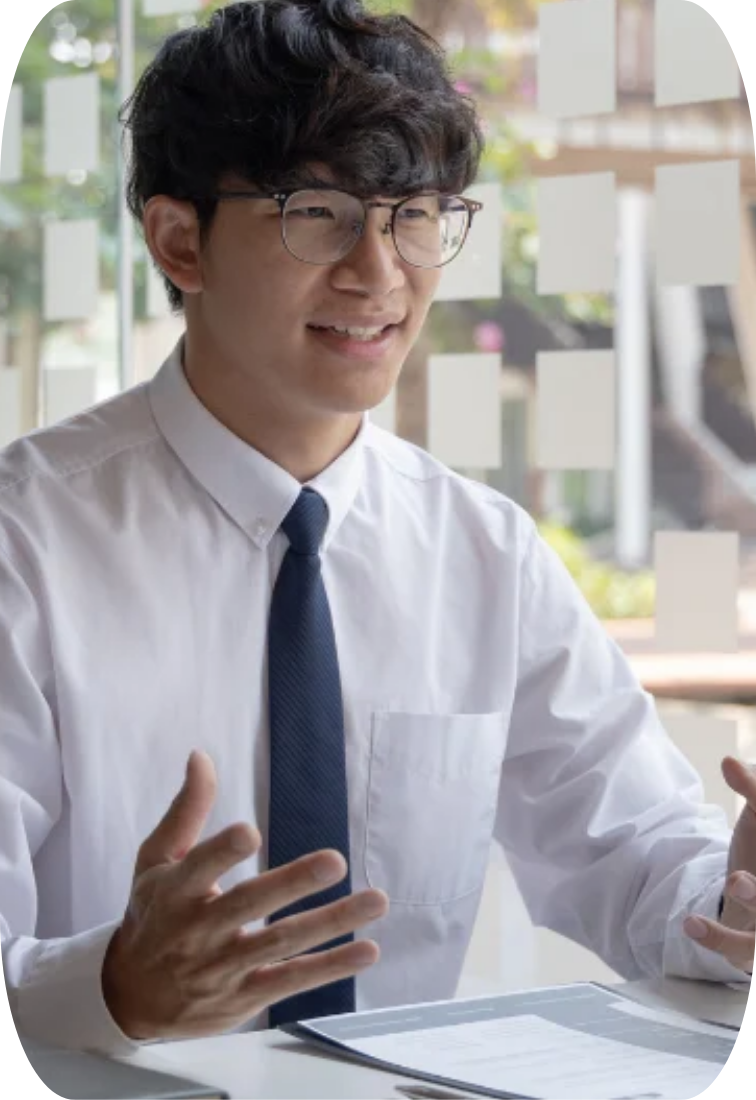
- Make a strong entrance: When you meet the interviewer, stand up straight, offer a firm handshake, smile, and make direct eye contact.
- Greet everyone warmly: If you’re being interviewed by a panel, be sure to greet each person individually. Maintain eye contact and smile to establish rapport.
2- Use Confident Body Language
In an in-person interview, body language plays a significant role in how you’re perceived. Here’s how to project confidence:
- Sit up straight: Maintain good posture by sitting up straight with both feet on the floor. Lean in slightly to show interest.
- Use appropriate gestures: Gesturing while speaking can make you appear more dynamic and engaged but be careful not to overdo it. Keep your gestures controlled and natural.
- Make eye contact: Maintain consistent eye contact with the interviewer or each member of a panel. This shows confidence and helps build rapport. Avoid staring, though—break eye contact occasionally to avoid making the other person uncomfortable.
- Smile when appropriate: Smiling makes you appear more approachable and confident. Use a natural smile when introducing yourself, responding to questions, or discussing achievements.

3- Engage and Ask Questions Throughout the Interview
Asking questions during an interview signal that you’re interested and actively engaged in the conversation. Unless instructed otherwise, don’t wait until the end to ask questions—engage as the conversation flows naturally.
Clarify when needed: If something isn’t clear, ask thoughtful follow-up questions to gain a deeper understanding of the role or the company’s priorities.
Avoid dominating the conversation: While it’s important to ask questions, ensure that you give the interviewer plenty of time to ask questions and lead the conversation. Your goal is to strike a balance between listening and engaging without interrupting or overwhelming the interviewer with too many questions at once.
The in-person interview is your opportunity to make a strong impression not just through your answers but also through your personality, body language, eye contact, and professionalism.
1- First Impressions
- Plan to arrive 15 minutes early: This gives you time to check in with the receptionist, find the correct office or meeting room, and settle in before the interview starts. Arriving late can give a bad impression, so build in extra time for delays.
- Turn off or silence your phone: Avoid any disruptions by silencing your phone before entering the building.
- Make a strong entrance: When you meet the interviewer, stand up straight, offer a firm handshake, smile, and make direct eye contact.
- Greet everyone warmly: If you’re being interviewed by a panel, be sure to greet each person individually. Maintain eye contact and smile to establish rapport.
2- Use Confident Body Language
In an in-person interview, body language plays a significant role in how you’re perceived. Here’s how to project confidence:
- Sit up straight: Maintain good posture by sitting up straight with both feet on the floor. Lean in slightly to show interest.
- Use appropriate gestures: Gesturing while speaking can make you appear more dynamic and engaged but be careful not to overdo it. Keep your gestures controlled and natural.
- Make eye contact: Maintain consistent eye contact with the interviewer or each member of a panel. This shows confidence and helps build rapport. Avoid staring, though—break eye contact occasionally to avoid making the other person uncomfortable.
- Smile when appropriate: Smiling makes you appear more approachable and confident. Use a natural smile when introducing yourself, responding to questions, or discussing achievements.
3- Engage and Ask Questions Throughout the Interview
Asking questions during an interview signal that you’re interested and actively engaged in the conversation. Unless instructed otherwise, don’t wait until the end to ask questions—engage as the conversation flows naturally.
Clarify when needed: If something isn’t clear, ask thoughtful follow-up questions to gain a deeper understanding of the role or the company’s priorities.
Avoid dominating the conversation: While it’s important to ask questions, ensure that you give the interviewer plenty of time to ask questions and lead the conversation. Your goal is to strike a balance between listening and engaging without interrupting or overwhelming the interviewer with too many questions at once.
The in-person interview is your opportunity to make a strong impression not just through your answers but also through your personality, body language, eye contact, and professionalism.
1- First Impressions
- Plan to arrive 15 minutes early: This gives you time to check in with the receptionist, find the correct office or meeting room, and settle in before the interview starts. Arriving late can give a bad impression, so build in extra time for delays.
- Turn off or silence your phone: Avoid any disruptions by silencing your phone before entering the building.
- Make a strong entrance: When you meet the interviewer, stand up straight, offer a firm handshake, smile, and make direct eye contact.
- Greet everyone warmly: If you’re being interviewed by a panel, be sure to greet each person individually. Maintain eye contact and smile to establish rapport.
2- Use Confident Body Language
In an in-person interview, body language plays a significant role in how you’re perceived. Here’s how to project confidence:
- Sit up straight: Maintain good posture by sitting up straight with both feet on the floor. Lean in slightly to show interest.
- Use appropriate gestures: Gesturing while speaking can make you appear more dynamic and engaged but be careful not to overdo it. Keep your gestures controlled and natural.
- Make eye contact: Maintain consistent eye contact with the interviewer or each member of a panel. This shows confidence and helps build rapport. Avoid staring, though—break eye contact occasionally to avoid making the other person uncomfortable.
- Smile when appropriate: Smiling makes you appear more approachable and confident. Use a natural smile when introducing yourself, responding to questions, or discussing achievements.
3- Engage and Ask Questions Throughout the Interview
Asking questions during an interview signal that you’re interested and actively engaged in the conversation. Unless instructed otherwise, don’t wait until the end to ask questions—engage as the conversation flows naturally.
Clarify when needed: If something isn’t clear, ask thoughtful follow-up questions to gain a deeper understanding of the role or the company’s priorities.
Avoid dominating the conversation: While it’s important to ask questions, ensure that you give the interviewer plenty of time to ask questions and lead the conversation. Your goal is to strike a balance between listening and engaging without interrupting or overwhelming the interviewer with too many questions at once.

5- Stay Positive and Show Enthusiasm
Your attitude matters just as much as your answers. Staying positive and showing genuine enthusiasm for the role can help you stand out.
- Focus on the positives: Even when discussing challenges or difficult past experiences, maintain a positive outlook. Frame challenges as learning experiences and emphasize what you gained from them.
- Show excitement for the role: Smile, maintain upbeat body language, and express enthusiasm for the opportunity. Employers are more likely to hire someone who is passionate about the job.
6- Stay Focused and Keep Your Energy Consistent
- Pace yourself: Some interviews may be longer than others, especially if they involve meeting multiple team members or executives. Maintain your energy throughout, take deep breaths, and stay engaged.
- Watch for cues: Pay attention to the interviewer’s body language and verbal cues to ensure you’re not speaking too much or too little. Adjust your pace based on their reactions.
4- Handling Multiple Interviewers or Panel Interviews
If you are being interviewed by more than one person, which is common in higher-level roles, it’s important to handle the dynamic carefully:
- Address each person: When answering a question from one interviewer, be sure to make eye contact with everyone in the room, not just the person who asked the question.
- Tailor your answers to the audience: If there are people from different departments (e.g., HR, technical teams, and upper management), try to tailor parts of your answer to each person’s perspective. For example, highlight your technical skills to the technical interviewer and your cultural fit and soft skills foryour direct hiring manager and team members.
- Stay calm and composed: Panel interviews can feel intimidating but treat them as a conversation. Remember that the panel wants to evaluate how you engage with a group, not just your individual answers.
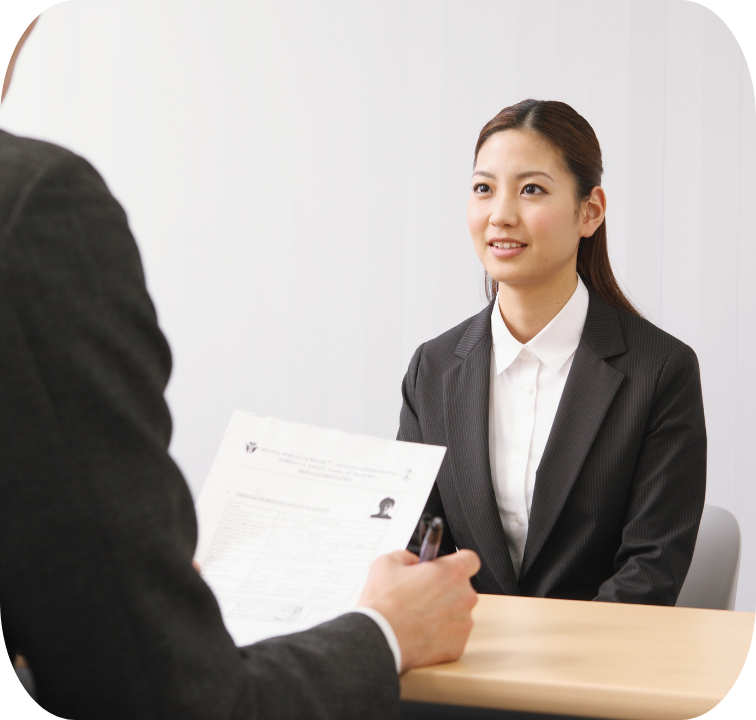

5- Stay Positive and Show Enthusiasm
Your attitude matters just as much as your answers. Staying positive and showing genuine enthusiasm for the role can help you stand out.
- Focus on the positives: Even when discussing challenges or difficult past experiences, maintain a positive outlook. Frame challenges as learning experiences and emphasize what you gained from them.
- Show excitement for the role: Smile, maintain upbeat body language, and express enthusiasm for the opportunity. Employers are more likely to hire someone who is passionate about the job.
6- Stay Focused and Keep Your Energy Consistent
- Pace yourself: Some interviews may be longer than others, especially if they involve meeting multiple team members or executives. Maintain your energy throughout, take deep breaths, and stay engaged.
- Watch for cues: Pay attention to the interviewer’s body language and verbal cues to ensure you’re not speaking too much or too little. Adjust your pace based on their reactions.
4- Handling Multiple Interviewers or Panel Interviews
If you are being interviewed by more than one person, which is common in higher-level roles, it’s important to handle the dynamic carefully:
- Address each person: When answering a question from one interviewer, be sure to make eye contact with everyone in the room, not just the person who asked the question.
- Tailor your answers to the audience: If there are people from different departments (e.g., HR, technical teams, and upper management), try to tailor parts of your answer to each person’s perspective. For example, highlight your technical skills to the technical interviewer and your cultural fit and soft skills foryour direct hiring manager and team members.
- Stay calm and composed: Panel interviews can feel intimidating but treat them as a conversation. Remember that the panel wants to evaluate how you engage with a group, not just your individual answers.

5- Stay Positive and Show Enthusiasm
Your attitude matters just as much as your answers. Staying positive and showing genuine enthusiasm for the role can help you stand out.
- Focus on the positives: Even when discussing challenges or difficult past experiences, maintain a positive outlook. Frame challenges as learning experiences and emphasize what you gained from them.
- Show excitement for the role: Smile, maintain upbeat body language, and express enthusiasm for the opportunity. Employers are more likely to hire someone who is passionate about the job.
6- Stay Focused and Keep Your Energy Consistent
- Pace yourself: Some interviews may be longer than others, especially if they involve meeting multiple team members or executives. Maintain your energy throughout, take deep breaths, and stay engaged.
- Watch for cues: Pay attention to the interviewer’s body language and verbal cues to ensure you’re not speaking too much or too little. Adjust your pace based on their reactions.
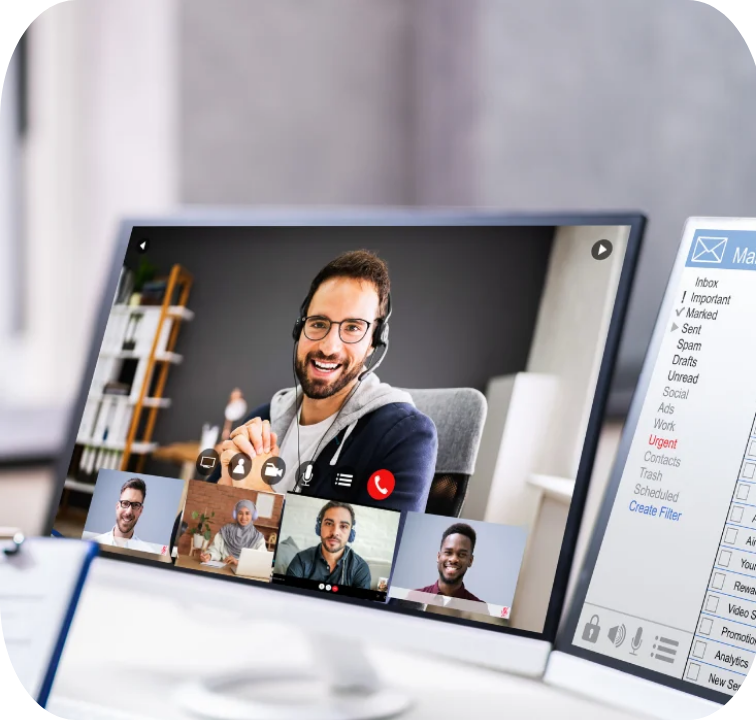
4- Handling Multiple Interviewers or Panel Interviews
If you are being interviewed by more than one person, which is common in higher-level roles, it’s important to handle the dynamic carefully:
- Address each person: When answering a question from one interviewer, be sure to make eye contact with everyone in the room, not just the person who asked the question.
- Tailor your answers to the audience: If there are people from different departments (e.g., HR, technical teams, and upper management), try to tailor parts of your answer to each person’s perspective. For example, highlight your technical skills to the technical interviewer and your cultural fit and soft skills foryour direct hiring manager and team members.
- Stay calm and composed: Panel interviews can feel intimidating but treat them as a conversation. Remember that the panel wants to evaluate how you engage with a group, not just your individual answers.
The post-interview process is just as important as the interview itself. Here’s how to leave a lasting, positive impression after you’ve left the interview room.
1- Reflect on the Interview
Once the interview has ended, take some time to reflect on how it went. This reflection can help you improve for future interviews and give you insight into what went well and what didn’t.
- Evaluate your performance: Think about which questions you answered confidently and which ones you found more challenging. What was the overall tone of the interview? How did the interviewer respond to your answers? Taking notes right after the interview will help you improve for future opportunities and prepare for any potential follow-ups.
- Identify any missed opportunities: Were there any points you forgot to mention or things you wish you’d elaborated on? Jot these down, as they could be helpful to mention when you will follow up with your recruiter.

2- Follow up with your recruiter
After your interview, it’s crucial to stay in touch with your Benchmark IT recruiter. Be sure to schedule a quick debrief call with your recruiter. They can offer insights into the process and help guide you through the next steps.
- Check-in about next steps: If the interviewer did not specify when you should expect to hear back, reach out to your recruiter a day or two after the interview to ask about the timeline.
- Ask for feedback: If you are not selected for the role, request feedback from your recruiter. This information can be valuable in helping you improve for future interviews.
3- Thank-You Notes After Interviews
During your post-interview debrief with your Benchmark IT recruiter, you will discuss your impressions of the role, the company fit, and your ongoing interest. Our team will communicate your feedback to the client on your behalf, so thank-you notes are generally not necessary.
For contract positions, thank-you notes are rarely expected. However, for full-time roles, a thank-you note may be appropriate. If you decide to write one, please forward it to us, and we will handle sending it to the client. Direct communication with the client is discouraged to maintain professionalism and consistency.
The post-interview process is just as important as the interview itself. Here’s how to leave a lasting, positive impression after you’ve left the interview room.
1- Reflect on the Interview
Once the interview has ended, take some time to reflect on how it went. This reflection can help you improve for future interviews and give you insight into what went well and what didn’t.
- Evaluate your performance: Think about which questions you answered confidently and which ones you found more challenging. What was the overall tone of the interview? How did the interviewer respond to your answers? Taking notes right after the interview will help you improve for future opportunities and prepare for any potential follow-ups.
- Identify any missed opportunities: Were there any points you forgot to mention or things you wish you’d elaborated on? Jot these down, as they could be helpful to mention when you will follow up with your recruiter.

2- Follow up with your recruiter
After your interview, it’s crucial to stay in touch with your Benchmark IT recruiter. Be sure to schedule a quick debrief call with your recruiter. They can offer insights into the process and help guide you through the next steps.
- Check-in about next steps: If the interviewer did not specify when you should expect to hear back, reach out to your recruiter a day or two after the interview to ask about the timeline.
- Ask for feedback: If you are not selected for the role, request feedback from your recruiter. This information can be valuable in helping you improve for future interviews.
3- Thank-You Notes After Interviews
During your post-interview debrief with your Benchmark IT recruiter, you will discuss your impressions of the role, the company fit, and your ongoing interest. Our team will communicate your feedback to the client on your behalf, so thank-you notes are generally not necessary.
For contract positions, thank-you notes are rarely expected. However, for full-time roles, a thank-you note may be appropriate. If you decide to write one, please forward it to us, and we will handle sending it to the client. Direct communication with the client is discouraged to maintain professionalism and consistency.
The post-interview process is just as important as the interview itself. Here’s how to leave a lasting, positive impression after you’ve left the interview room.
1- Reflect on the Interview
Once the interview has ended, take some time to reflect on how it went. This reflection can help you improve for future interviews and give you insight into what went well and what didn’t.
- Evaluate your performance: Think about which questions you answered confidently and which ones you found more challenging. What was the overall tone of the interview? How did the interviewer respond to your answers? Taking notes right after the interview will help you improve for future opportunities and prepare for any potential follow-ups.
- Identify any missed opportunities: Were there any points you forgot to mention or things you wish you’d elaborated on? Jot these down, as they could be helpful to mention when you will follow up with your recruiter.
2- Follow up with your recruiter
After your interview, it’s crucial to stay in touch with your Benchmark IT recruiter. Be sure to schedule a quick debrief call with your recruiter. They can offer insights into the process and help guide you through the next steps.
- Check-in about next steps: If the interviewer did not specify when you should expect to hear back, reach out to your recruiter a day or two after the interview to ask about the timeline.
- Ask for feedback: If you are not selected for the role, request feedback from your recruiter. This information can be valuable in helping you improve for future interviews.
3- Thank-You Notes After Interviews
During your post-interview debrief with your Benchmark IT recruiter, you will discuss your impressions of the role, the company fit, and your ongoing interest. Our team will communicate your feedback to the client on your behalf, so thank-you notes are generally not necessary.
For contract positions, thank-you notes are rarely expected. However, for full-time roles, a thank-you note may be appropriate. If you decide to write one, please forward it to us, and we will handle sending it to the client. Direct communication with the client is discouraged to maintain professionalism and consistency.
The post-interview process is just as important as the interview itself. Here’s how to leave a lasting, positive impression after you’ve left the interview room.
1- Reflect on the Interview
Once the interview has ended, take some time to reflect on how it went. This reflection can help you improve for future interviews and give you insight into what went well and what didn’t.
- Evaluate your performance: Think about which questions you answered confidently and which ones you found more challenging. What was the overall tone of the interview? How did the interviewer respond to your answers? Taking notes right after the interview will help you improve for future opportunities and prepare for any potential follow-ups.
- Identify any missed opportunities: Were there any points you forgot to mention or things you wish you’d elaborated on? Jot these down, as they could be helpful to mention when you will follow up with your recruiter.
2- Follow up with your recruiter
After your interview, it’s crucial to stay in touch with your Benchmark IT recruiter. Be sure to schedule a quick debrief call with your recruiter. They can offer insights into the process and help guide you through the next steps.
- Check-in about next steps: If the interviewer did not specify when you should expect to hear back, reach out to your recruiter a day or two after the interview to ask about the timeline.
- Ask for feedback: If you are not selected for the role, request feedback from your recruiter. This information can be valuable in helping you improve for future interviews.
3- Thank-You Notes After Interviews
During your post-interview debrief with your Benchmark IT recruiter, you will discuss your impressions of the role, the company fit, and your ongoing interest. Our team will communicate your feedback to the client on your behalf, so thank-you notes are generally not necessary.
For contract positions, thank-you notes are rarely expected. However, for full-time roles, a thank-you note may be appropriate. If you decide to write one, please forward it to us, and we will handle sending it to the client. Direct communication with the client is discouraged to maintain professionalism and consistency.
H) Bonus Tips
1- Stay Professional from Start to Finish
- Treat everyone with respect: From the receptionist to the hiring manager, treat every person you encounter with respect and professionalism. Often, interviewers will ask receptionists or other staff for their impression of you.
- Be mindful of your body language even before the interview starts: You never know when someone is watching or evaluating you, so maintain professional and confident body language from the moment you enter the building until you leave.
2- Manage Your Stress and Nervousness
It’s natural to feel nervous during an interview, but there are ways to manage those feelings.
- Take deep breaths before entering the room: This will help calm any pre-interview jitters and allow you to focus on the conversation.
- Visualize success: Picture yourself confidently answering questions and making a great impression. Positive visualization can help reduce anxiety.
- Focus on the conversation, not the outcome: Try to immerse yourself in the conversation with the interviewer rather than worrying about whether or not you’ll get the job. This will help you stay present and engaged.


3- Be Prepared for the Unexpected
In some cases, interviewers may throw in an unexpected or curveball question to see how you think on your feet.
- Examples of unexpected questions: “If you were an animal, which one would you be and why?” or “How would you explain [technical concept] to a 5-year-old?”
- How to handle it: Stay calm, take a moment to think, and respond honestly. The goal is often to test your creativity or see how you react to unexpected situations, so there’s no need to stress over getting a “perfect” answer.
4- Keep Energy Consistent in Long Interviews
If you’re participating in a long interview or meeting with multiple team members throughout the day, it’s important to maintain your energy and focus.
- Stay hydrated: Bring a bottle of water if it’s appropriate or ask for one if needed. Staying hydrated can help keep your energy levels steady.
- Take short mental breaks: In between interview sessions, take a few moments to reset your mind, breathe, and mentally prepare for the next round of questions.
1- Stay Professional from Start to Finish
- Treat everyone with respect: From the receptionist to the hiring manager, treat every person you encounter with respect and professionalism. Often, interviewers will ask receptionists or other staff for their impression of you.
- Be mindful of your body language even before the interview starts: You never know when someone is watching or evaluating you, so maintain professional and confident body language from the moment you enter the building until you leave.
3- Be Prepared for the Unexpected
In some cases, interviewers may throw in an unexpected or curveball question to see how you think on your feet.
- Examples of unexpected questions: “If you were an animal, which one would you be and why?” or “How would you explain [technical concept] to a 5-year-old?”
- How to handle it: Stay calm, take a moment to think, and respond honestly. The goal is often to test your creativity or see how you react to unexpected situations, so there’s no need to stress over getting a “perfect” answer.
2- Manage Your Stress and Nervousness
It’s natural to feel nervous during an interview, but there are ways to manage those feelings.
- Take deep breaths before entering the room: This will help calm any pre-interview jitters and allow you to focus on the conversation.
- Visualize success: Picture yourself confidently answering questions and making a great impression. Positive visualization can help reduce anxiety.
- Focus on the conversation, not the outcome: Try to immerse yourself in the conversation with the interviewer rather than worrying about whether or not you’ll get the job. This will help you stay present and engaged.
4- Keep Energy Consistent in Long Interviews
If you’re participating in a long interview or meeting with multiple team members throughout the day, it’s important to maintain your energy and focus.
- Stay hydrated: Bring a bottle of water if it’s appropriate or ask for one if needed. Staying hydrated can help keep your energy levels steady.
- Take short mental breaks: In between interview sessions, take a few moments to reset your mind, breathe, and mentally prepare for the next round of questions.
1- Stay Professional from Start to Finish
- Treat everyone with respect: From the receptionist to the hiring manager, treat every person you encounter with respect and professionalism. Often, interviewers will ask receptionists or other staff for their impression of you.
- Be mindful of your body language even before the interview starts: You never know when someone is watching or evaluating you, so maintain professional and confident body language from the moment you enter the building until you leave.
2- Manage Your Stress and Nervousness
It’s natural to feel nervous during an interview, but there are ways to manage those feelings.
- Take deep breaths before entering the room: This will help calm any pre-interview jitters and allow you to focus on the conversation.
- Visualize success: Picture yourself confidently answering questions and making a great impression. Positive visualization can help reduce anxiety.
- Focus on the conversation, not the outcome: Try to immerse yourself in the conversation with the interviewer rather than worrying about whether or not you’ll get the job. This will help you stay present and engaged.


3- Be Prepared for the Unexpected
In some cases, interviewers may throw in an unexpected or curveball question to see how you think on your feet.
- Examples of unexpected questions: “If you were an animal, which one would you be and why?” or “How would you explain [technical concept] to a 5-year-old?”
- How to handle it: Stay calm, take a moment to think, and respond honestly. The goal is often to test your creativity or see how you react to unexpected situations, so there’s no need to stress over getting a “perfect” answer.
4- Keep Energy Consistent in Long Interviews
If you’re participating in a long interview or meeting with multiple team members throughout the day, it’s important to maintain your energy and focus.
- Stay hydrated: Bring a bottle of water if it’s appropriate or ask for one if needed. Staying hydrated can help keep your energy levels steady.
- Take short mental breaks: In between interview sessions, take a few moments to reset your mind, breathe, and mentally prepare for the next round of questions.
I) Summary Checklist for Success
Before the Interview:
During the Interview
After the Interview:
An in-person interview is an opportunity to showcase your skills, personality, and fit for the company, but it’s also a chance to evaluate whether the company is the right fit for you. By preparing thoroughly and presenting yourself confidently, you’ll maximize your chances of landing the job. From how you enter the room to how you send your thank-you note afterward, every step is part of building a positive and lasting impression on your potential employer.
Remember, interviews are as much about evaluating how well you’ll fit within a team and company culture as they are about assessing your technical skills. Stay genuine, remain calm under pressure, and let your enthusiasm for the role shine through.
With these strategies and tips, you’re set to approach any in-person interview with confidence and professionalism!